
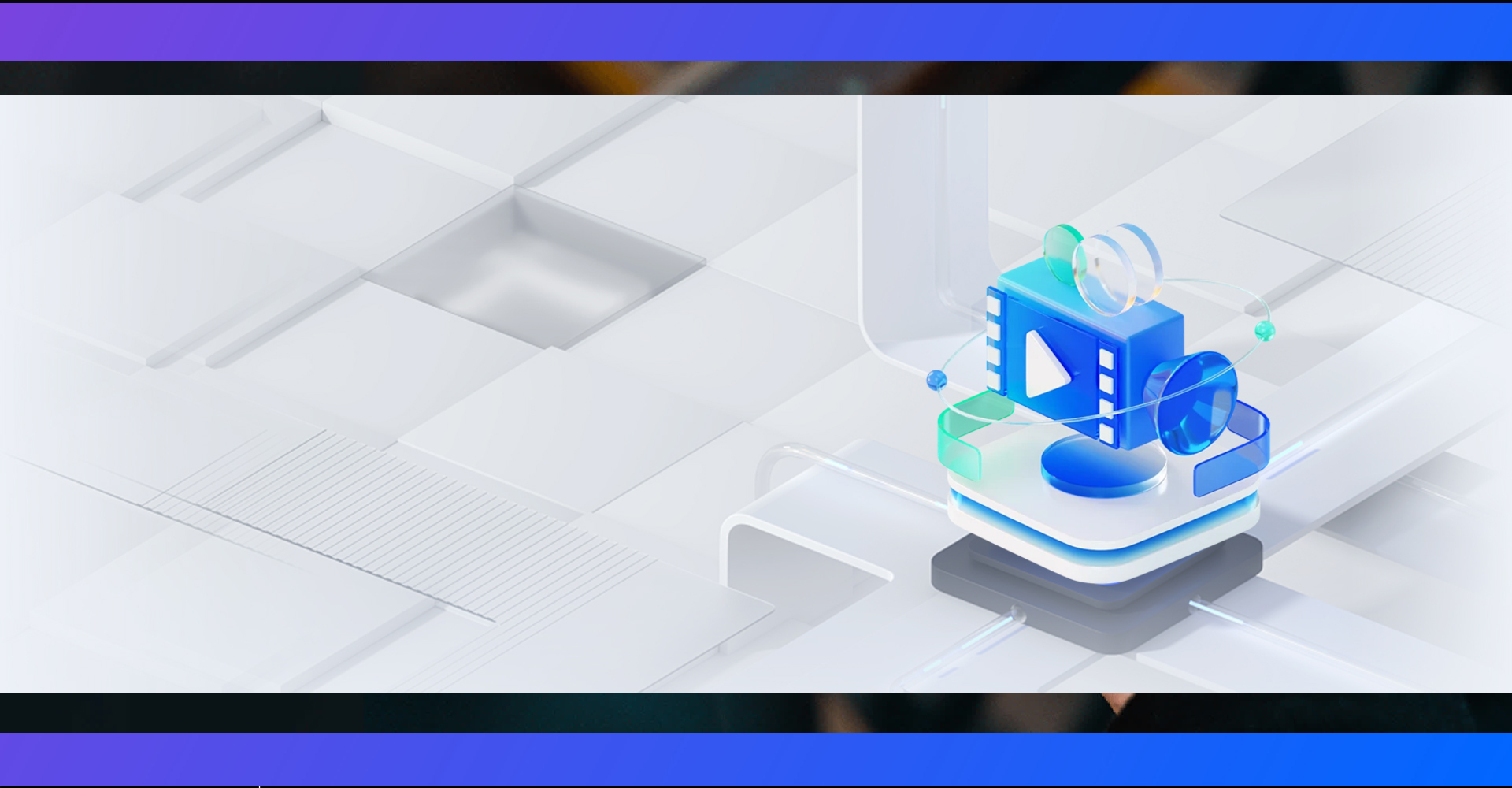
A look inside MeisheSDK’s architecture: a self-developed audio-video engine, a professional non-linear editing core, a unified API and platform adapters that power consistent editing on every device.
When a video SDK is described as cross-platform, the question that actually matters is architectural: how does one codebase deliver native-quality editing on so many different devices? The answer determines consistency, performance, maintainability and how much work your team inherits.
MeisheSDK’s architecture is built in layers — a self-developed engine at the bottom, a professional editing core in the middle, and a unified API on top that every platform integration shares.
The core: a self-developed cross-platform audio-video engine
At the base is a fully self-developed audio and video processing engine. Because the engine is owned by the SDK team rather than licensed as a black box, it can be tuned per platform and extended without waiting on a third party. This is the layer responsible for decoding, processing, rendering and encoding — the parts that most affect performance and output quality.
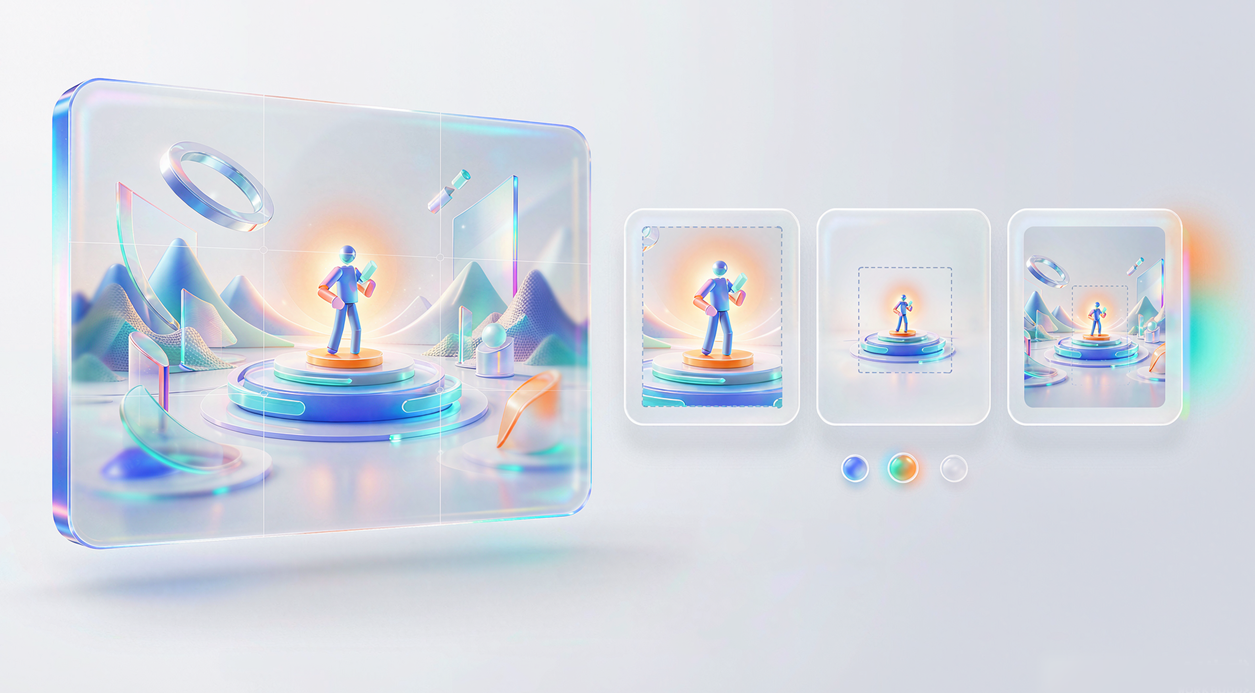
The editing core: professional non-linear structure
Above the engine sits a professional non-linear editing (NLE) structure, the same approach used by broadcast editors. It provides multi-track editing, keyframes, curves and atomic special effects, which means complex productions — picture-in-picture, layered effects, animated titles — are handled structurally rather than with workarounds.
This NLE core is what lets mobile and web products reach radio and television standard video production capabilities: 4K shooting and editing, 8K image processing, full-link HDR and real-time special effects rendering without preprocessing.
Unified API, platform-optimized execution
The layer your team touches is a unified API that exposes the same features across iOS, Android, Web, Windows, macOS and Linux. Below the API, the engine is optimized for each platform: GPU and CPU resources are scheduled according to the hardware, so performance is tuned for the device rather than held back by the lowest common denominator.
This split is what makes build-once real. Product logic integrates once against the API; platform execution stays optimized underneath.
The cloud and material layer
Above the local engine, MeisheSDK adds a cloud layer for web editing and a material layer for content supply. The web solution is a privatized B/S architecture cloud editing system, and the material store provides nearly 10,000 special-effect materials that enterprises can purchase on demand and synchronize to their own platform with one click.
Engineering files interoperate across mobile, PC and cloud, and the SDK can export XML and AA timeline sequences for downstream post-production.
Extensibility by design
The architecture stays open at every layer. The SDK is modular, UI components are optional, and open APIs connect the editor to your asset libraries, user systems and AI capabilities. Teams using Flutter, React Native or Unity can integrate through their framework, and enterprises can deploy privately when data policy requires it.
Architecture is the least visible feature and the most expensive one to get wrong. If you are comparing SDKs, ask for a technical architecture session — and ask the Meishe team to walk you through how each layer maps to your product.