
Real-time cross-device sync lets editors pick up exactly where they left off. MeisheSDK synchronizes drafts and effects across devices at the project level, not just the file level.
The old workflow is painfully familiar: edit on the phone, export the file, send it to yourself, open it on the desktop, and hope the timeline survived the journey. The file arrives, but the edits do not always come with it. Real-time cross-device sync exists to make that workflow disappear.
MeisheSDK synchronizes at the project level — drafts, templates and effects — so the next device opens the actual state of the edit, not a flattened version of it.
Why draft-level sync beats file sync
A video project is not a file; it is a state. It contains a timeline with precise cuts, effect parameters, subtitle timing, color settings and template choices. Moving the raw video alone loses all of that context. Draft-level sync preserves the project as the user left it — the same cut, the same effect intensity, the same subtitle position.
That is the difference between a user feeling productive and a user starting over. It is also the difference between retention and churn for the product.
What MeisheSDK syncs
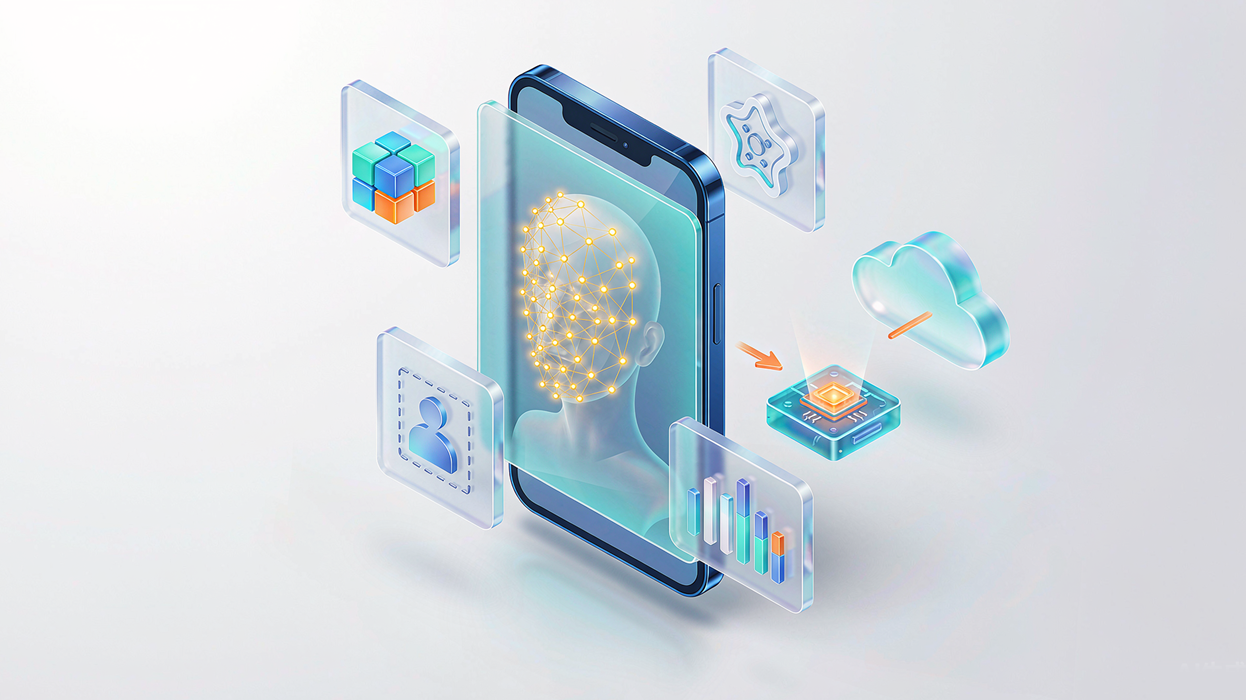
MeisheSDK supports full-process interaction, sharing and collaborative operation of drafts and templates across terminals. The deep-editing solution ships native applications for iOS, Android, Windows and macOS, and pairs them with the web cloud editor, so drafts move between phone, desktop and browser.
Interoperability runs at two levels: draft level, where the timeline and structure transfer intact, and effects level, where applied effects and materials remain consistent. Templates sync the same way, so a brand template created once is available everywhere.
How teams use it
Agencies use sync to keep producers and editors on the same project across devices. Remote teams use it so a laptop edit and a workstation polish never diverge. Enterprises use it so brand materials and templates stay consistent across the whole organization.
Behind it is a practical foundation: a unified project format, cloud synchronization and XML and AA timeline export for professional pipelines. The user sees continuity; the technical team sees a clean architecture.
The retention angle
For video platforms, sync is a retention feature in disguise. Users who can move between devices without friction create more, return more often and abandon fewer projects. The device boundary stops being a reason to quit.
See cross-device sync on a real project — request a MeisheSDK demo and move a draft from phone to desktop to web in front of your own team.