

Video editing is moving beyond phones. MeisheSDK brings a lightweight, self-developed engine to smart TVs, kiosks, automotive displays and embedded screens.
Video creation used to happen on two devices: the phone and the computer. That map is expanding. Smart TVs run apps, cars have displays with their own software, kiosks and signage screens are becoming interactive, and embedded devices increasingly need to handle images and video. For these surfaces, the SDK requirement is different: it must be small, efficient and adaptable.
MeisheSDK was built with this hardware diversity in mind. Its self-developed cross-platform engine supports smart hardware in addition to phones, PCs and the web.
The new surface: IoT and smart screens
An IoT screen is not a phone with a bigger case. It has a different processor, different memory budget, different input model and often a different operating system. A video SDK designed only for mobile cannot simply be ported; it has to be built to run lean.
That is where a roughly 3 MB engine becomes an architectural advantage. MeisheSDK fits into products where a full desktop-class editor never would.
What makes an SDK embeddable on hardware
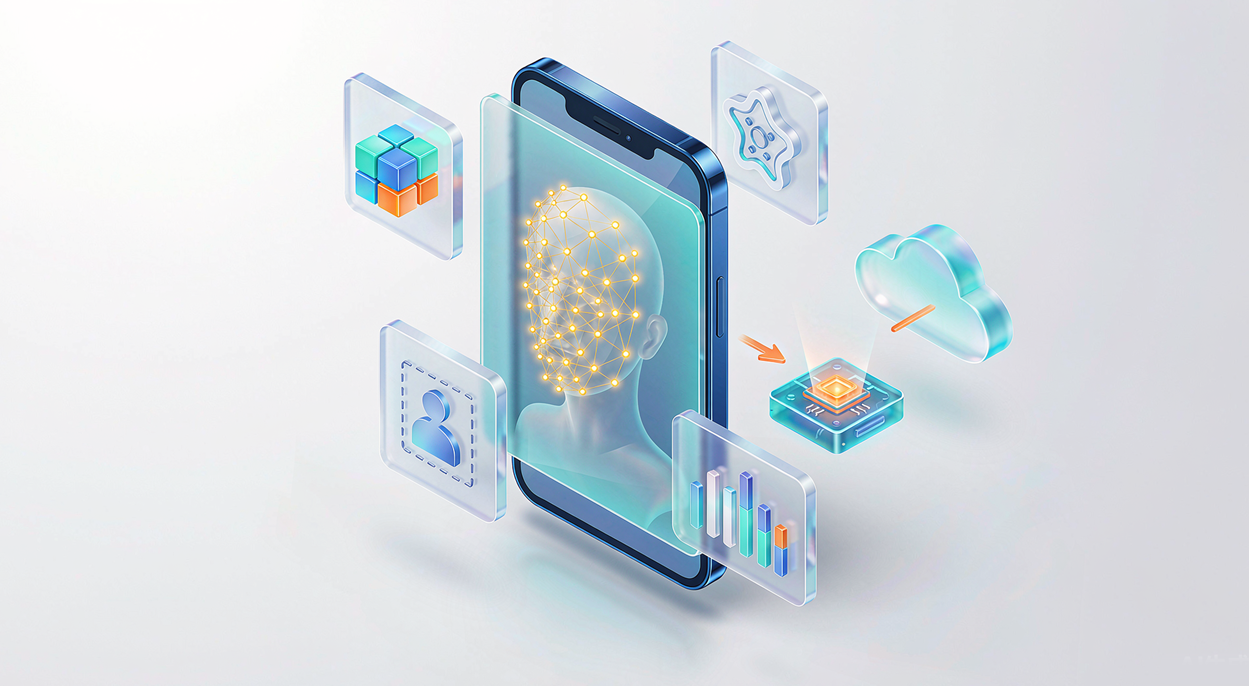
Three properties decide whether a video SDK can live on embedded and IoT devices. First, footprint: the SDK must be small enough to add without redesigning the device image. Second, resource efficiency: GPU and CPU usage must be scheduled tightly so the device keeps doing its other jobs. Third, hardware acceleration: rendering must use the available graphics hardware rather than burning the CPU.
MeisheSDK’s engine is engineered for all three, with parallel scheduling of graphics, image, video and audio algorithms based on the hardware resources available.
Automotive as an example
Meishe’s automotive solution shows what this enables: image enhancement, intelligent editing, intelligent situational interaction and AI recognition processing, built to serve the multi-dimensional image processing needs of vehicles. In-car displays get video capabilities without pulling resources from navigation, entertainment or safety systems.
The same approach extends to other screens — smart TVs with lightweight editors for family content, kiosks that let users create and share in-store videos, and digital signage with locally generated content.
From phones to dashboards: one engine, different form factors
The deeper point is that the engine does not fork. The same cross-platform core that powers iOS and Android apps also powers smart hardware surfaces, so a product family can offer video features consistently across completely different form factors — and teams maintain one integration instead of several.
If your roadmap touches any screen beyond the phone and the desktop, it is worth asking how an SDK behaves on constrained hardware. Ask the Meishe team for the smart-hardware reference cases during your evaluation.